Can Dogs Eat Eggs? Raw vs Cooked and What’s Safe
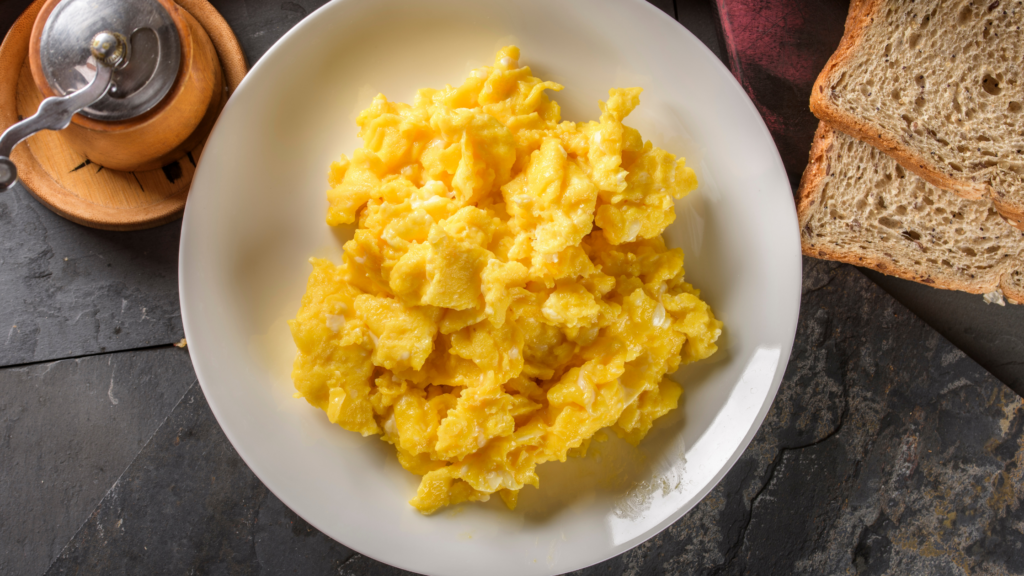
Yes, dogs can eat eggs, and they’re one of the most nutritious whole foods you can add to your pup’s diet. Packed with protein, healthy fats and essential vitamins, eggs are a simple and affordable treat that most dogs absolutely love.
That said, there’s a lot of confusion around eggs and dogs, especially when it comes to raw vs cooked. Here’s everything you need to know about feeding eggs to your dog, including how to serve them safely and a quick scrambled egg recipe your dog will go crazy for.
Are Eggs Safe for Dogs?
Yes, eggs are safe for dogs. They are non-toxic and highly digestible, making them a great occasional addition to your dog’s diet. Eggs are actually one of the most complete sources of protein available, containing all the essential amino acids dogs need.
The key question most dog owners have is whether raw or cooked eggs are better. The short answer: cooked is safer, and here’s why.
Raw Eggs vs Cooked Eggs for Dogs
This is where things get a little more nuanced.
The case for cooked eggs: Cooked eggs are the safest option for most dogs. Cooking eliminates the risk of salmonella and other bacteria that can be present in raw eggs. It also deactivates avidin, a protein found in raw egg whites that blocks the absorption of biotin (Vitamin B7). Biotin is important for your dog’s skin, coat and metabolism, so regularly feeding raw egg whites can actually lead to a biotin deficiency over time.
The case for raw eggs: Some raw feeding advocates argue that raw eggs retain more nutrients and that dogs’ digestive systems are built to handle bacteria that would make humans sick. There is some truth to this. Dogs do have shorter digestive tracts and more acidic stomachs than humans. Occasional raw eggs are unlikely to cause serious harm in a healthy dog.
The bottom line: For most dog owners, cooked eggs are the safer and simpler choice. If you’re interested in a raw diet for your dog, that’s a conversation worth having with your vet. For everyday egg treats, cook them.
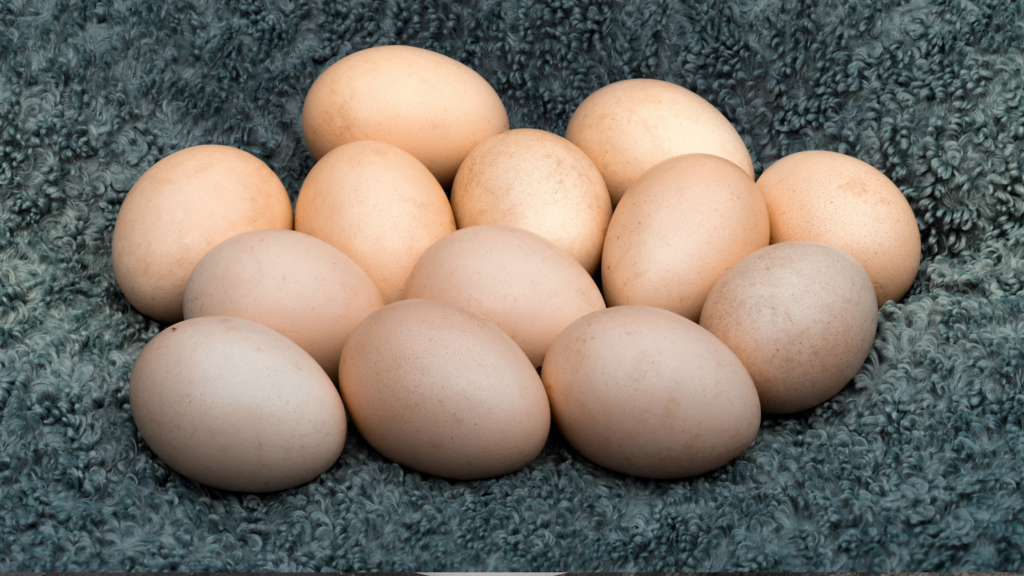
Nutritional Benefits of Eggs for Dogs
Eggs are a nutritional powerhouse. Here’s what your dog gets from them:
- Protein. Eggs are one of the highest-quality protein sources available, with all the essential amino acids dogs need for muscle maintenance and overall health.
- Healthy fats. Eggs contain omega-3 and omega-6 fatty acids that support skin health, coat shine and joint function.
- Vitamin A. Supports eye health, immune function and cell growth.
- Vitamin D. Helps the body absorb calcium and supports bone health.
- Vitamin B12. Important for nerve function and red blood cell production.
- Riboflavin (B2). Supports energy metabolism.
- Selenium. A powerful antioxidant that supports immune health and thyroid function.
- Iron. Supports healthy blood and oxygen transport.
- Choline. Supports brain health and liver function.
For the calorie content, eggs pack a remarkable amount of nutrition. They’re especially useful as a food topper for picky eaters or dogs that need a little extra nutrition.
Risks and Things to Watch Out For
Salmonella risk with raw eggs Raw eggs can carry salmonella, which can affect both dogs and humans. If your dog eats a raw egg and then licks your face or their food bowl, that’s a potential transmission risk for your household. Cooking eliminates this concern entirely.
Biotin deficiency from raw egg whites As mentioned above, the avidin in raw egg whites interferes with biotin absorption. An occasional raw egg is unlikely to cause issues, but feeding raw eggs regularly over a long period can lead to deficiency. Cooking the egg deactivates avidin and makes the biotin fully available.
High calorie content A single large egg contains around 70 calories. For small dogs, that’s a significant portion of their daily calorie budget. Eggs should be an occasional treat or topper, not a daily staple, especially for dogs prone to weight gain.
No seasoning Dogs should never eat eggs cooked with butter, oil, salt, pepper, garlic, onion or any other seasonings. Plain is always the rule. Garlic and onion in particular are toxic to dogs, even in small amounts.
Egg shells Egg shells are actually safe for dogs and are a good source of calcium. If you want to feed them, grind the shell into a fine powder and sprinkle a small amount over your dog’s food. Never feed large shell fragments, as sharp edges can be a hazard.
How Many Eggs Can a Dog Eat?
Eggs are calorie-dense, so portion size matters.
| Dog Size | Weight | Suggested Amount |
|---|---|---|
| Small | Under 20 lbs | Half an egg, a few times a week |
| Medium | 20–50 lbs | 1 egg, a few times a week |
| Large | 50+ lbs | 1–2 eggs, a few times a week |
If you’re using eggs as a food topper rather than a standalone treat, a smaller amount goes a long way.
How to Serve Eggs to Your Dog
- Scrambled. Plain scrambled eggs with no butter, oil or seasoning are one of the easiest and most popular ways to serve eggs to dogs. See the recipe below.
- Hard boiled. Hard boiled eggs are easy to prepare in batches and can be sliced or crumbled over food. Great for meal prep.
- Poached. Plain poached eggs work well as a food topper.
- Over easy or fried. Only if cooked without butter or oil. A dry pan or a tiny spritz of cooking spray is fine.
Always let cooked eggs cool before serving so your dog doesn’t burn their mouth.
Simple Scrambled Eggs for Dogs
This couldn’t be easier. Plain scrambled eggs make a fantastic treat or food topper, and most dogs will inhale them.
Ingredients:
- 1 large egg
- 1 tablespoon water
Instructions:
- Crack the egg into a small bowl, add the water and whisk until combined.
- Heat a small non-stick pan over medium-low heat. No butter, no oil.
- Pour in the egg mixture and stir gently as it cooks.
- Cook until fully set with no runny or translucent parts remaining.
- Remove from heat and let cool completely before serving.
- Serve on its own as a treat or crumble over your dog’s regular food as a topper.
That’s it. No seasoning, no extras. Dogs don’t need any of that and their taste buds will be more than happy with plain eggs.
Storage: Cooked eggs can be stored in an airtight container in the fridge for up to 3 days.
Frequently Asked Questions
Can dogs eat eggs every day? It’s best to offer eggs a few times a week rather than every single day. They’re calorie-dense and nutritionally rich, so daily feeding can add up quickly in terms of calories. A few times a week as a treat or topper is a great routine.
Can puppies eat eggs? Yes, puppies can eat cooked eggs. Start with a small amount to see how they tolerate it. Because puppies are growing and have specific nutritional needs, eggs should be a supplement to a complete puppy diet rather than a main food source.
Can dogs eat egg yolks only? Yes, egg yolks are safe for dogs and are actually the most nutrient-dense part of the egg. If you’re watching your dog’s fat intake, you can offer just the egg white (cooked), but the yolk is where most of the vitamins and healthy fats are.
Can dogs eat scrambled eggs with cheese? Plain scrambled eggs are safest. A tiny bit of plain cheese is not toxic to dogs, but many dogs are lactose intolerant and too much dairy can cause digestive upset. Keep it plain to be safe.
My dog ate a raw egg off the counter. Should I be worried? One raw egg is unlikely to cause serious harm in a healthy dog. Keep an eye on them for any signs of digestive upset over the next 24 hours. If your dog shows symptoms like vomiting, diarrhea or lethargy, contact your vet.
Always consult your veterinarian before introducing new foods to your dog’s diet, especially if your dog has existing health conditions, digestive sensitivities or dietary restrictions.