Can Dogs Eat Blueberries? The Superfood Snack for Dogs

Yes, dogs can eat blueberries and they’re one of the best fruits you can share with your pup. Small, soft and easy to serve, blueberries are a nutrient-dense treat that most dogs love. They’re often called a superfood for humans, and the good news is that many of those same benefits apply to dogs too.
Here’s everything you need to know about feeding blueberries to your dog, including how much is safe, what to watch out for and a simple frozen blueberry dog treat recipe your pup will go crazy for.
Are Blueberries Safe for Dogs?
Yes, blueberries are completely safe for dogs. They are non-toxic, easy to digest and gentle on the stomach for most dogs. Unlike some fruits — grapes and cherries being the big ones to avoid — blueberries are a genuinely dog-friendly food with no hidden dangers when served correctly.
The only real caveat is portion size. Blueberries are small but they do contain natural sugar, so like any treat they should be given in moderation.
Nutritional Benefits of Blueberries for Dogs
Blueberries earn their superfood reputation. Here’s what makes them so good for your dog:
- Antioxidants. Blueberries are one of the highest antioxidant foods on the planet. Antioxidants help fight free radicals, which are linked to aging and disease in both humans and dogs. For senior dogs, this is especially valuable.
- Vitamin C. Supports immune function and helps reduce inflammation.
- Vitamin K. Plays a key role in bone health and healthy blood clotting.
- Fiber. Supports healthy digestion and gut health.
- Manganese. Helps with bone development, energy metabolism and nutrient absorption.
- Phytochemicals. Natural plant compounds that have been linked to reduced inflammation and better cognitive function — particularly helpful for aging dogs.
- Low calorie. Blueberries are one of the lowest-calorie fruits you can give your dog, making them a great treat option for dogs watching their weight.
Risks and Things to Watch Out For
Blueberries are about as safe as it gets when it comes to dog treats, but here are a few things to keep in mind:
Choking hazard for very small dogs Blueberries are small, but for tiny breeds they can still pose a minor choking risk. If you have a very small dog, cut blueberries in half before serving just to be safe.
Natural sugar content While blueberries are low in sugar compared to many other fruits, they still contain natural sugars. Dogs with diabetes or weight issues should have smaller portions and less frequent servings. Check with your vet if you’re unsure.
Digestive upset in large quantities Too many blueberries at once can cause loose stools or an upset stomach due to the fiber content. Start with a small amount if it’s your dog’s first time trying them and see how they do.
No added ingredients Only serve plain, fresh or frozen blueberries. Blueberries in jams, juices, muffins, yogurt-covered snacks or baked goods often contain added sugar, artificial sweeteners or other ingredients that aren’t safe for dogs. Plain is always the way to go.
How Many Blueberries Can a Dog Eat?
The 10% rule applies here as with all treats — treats should make up no more than 10% of your dog’s daily calorie intake.
| Dog Size | Weight | Suggested Amount |
|---|---|---|
| Small | Under 20 lbs | 3–5 blueberries |
| Medium | 20–50 lbs | 10–15 blueberries |
| Large | 50+ lbs | A small handful |
A few times a week is a great routine. Because blueberries are so low in calories, they’re one of the more generous treats you can offer compared to something like cheese or peanut butter.
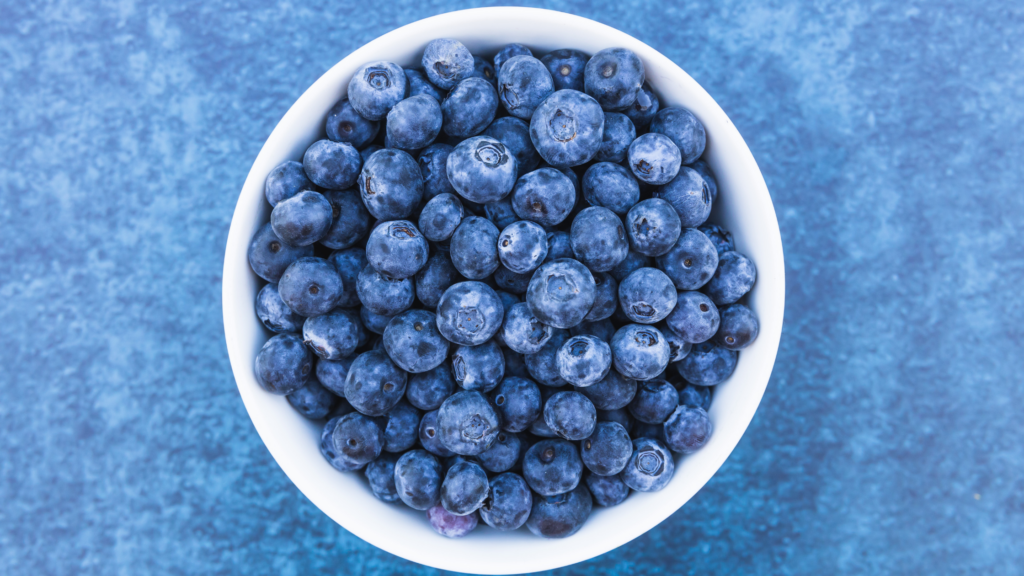
How to Serve Blueberries to Your Dog
Blueberries are one of the easiest treats to prepare — there’s almost no prep involved. Here are a few ways to serve them:
- Fresh and whole. Rinse and serve. That’s it. Most dogs will eat them right out of your hand.
- Frozen. Pop a handful in the freezer and serve them as a cool snack. Frozen blueberries are especially popular in summer and the texture makes them extra fun for dogs to crunch on.
- Mashed as a food topper. Mash a few blueberries and stir them into your dog’s regular food for a little antioxidant boost.
- Mixed into homemade treats. Blueberries blend beautifully with Greek yogurt and other dog-safe fruits. See the recipe below!
Always wash fresh blueberries before serving to remove any pesticide residue. Organic is a great option when available.
Frozen Blueberry Dog Treat Recipe
These frozen blueberry bites are a three-ingredient treat your dog will absolutely love. They’re packed with antioxidants, easy to make and perfect for warm days. If you’ve already tried the frozen strawberry dog treats, think of these as the blueberry version — just as easy and just as popular with pups.
Ingredients:
- 1 cup fresh or frozen blueberries
- ½ cup plain Greek yogurt (unsweetened, no xylitol)
- 1 tablespoon honey (optional — skip for diabetic or overweight dogs)
Instructions:
- Add the blueberries and Greek yogurt to a blender. Add honey if using.
- Blend until smooth.
- Pour the mixture into an ice cube tray or silicone mold.
- Freeze for at least 4 hours, or until completely solid.
- Pop them out and serve one at a time straight from the freezer.
Storage: Store in a sealed freezer bag for up to 1 month.
These are great on their own, but you can also swirl in a mashed banana or a spoonful of peanut butter (xylitol-free, always) before freezing for an extra layer of flavor. Your dog won’t know what hit them.
Frequently Asked Questions
Can dogs eat blueberries every day? You can give your dog blueberries regularly, but every day in large amounts isn’t ideal due to the natural sugar and fiber content. A small serving a few times a week is a great routine for most dogs.
Can puppies eat blueberries? Yes, puppies can eat blueberries. Because puppies are smaller and more sensitive, start with just one or two and see how they handle it. Cut them in half for very young or very small puppies to reduce any choking risk.
Can dogs eat frozen blueberries? Absolutely. Plain frozen blueberries are a fantastic treat, especially in summer. The frozen texture makes them crunchy and fun, and dogs tend to love them. Just make sure they’re plain with no added sugar or syrup.
Are wild blueberries safe for dogs? Yes, wild blueberries are safe for dogs and are actually even higher in antioxidants than cultivated varieties. If you’re out hiking and your dog snags a few wild blueberries, no need to panic. Just make sure you’re confident in your identification — there are some wild berries that look similar to blueberries but are toxic, so when in doubt, keep your dog away.
Can dogs eat blueberry muffins or blueberry yogurt? It’s best to avoid these. Blueberry muffins contain sugar, flour and often other ingredients that aren’t good for dogs. Blueberry-flavored yogurt often has added sugar or artificial sweeteners. Stick to plain blueberries and plain unsweetened yogurt to keep things safe.
Always consult your veterinarian before introducing new foods to your dog’s diet, especially if your dog has existing health conditions, diabetes or dietary restrictions.