Can Cats Eat Tuna? Safe Serving Tips and a Simple Recipe
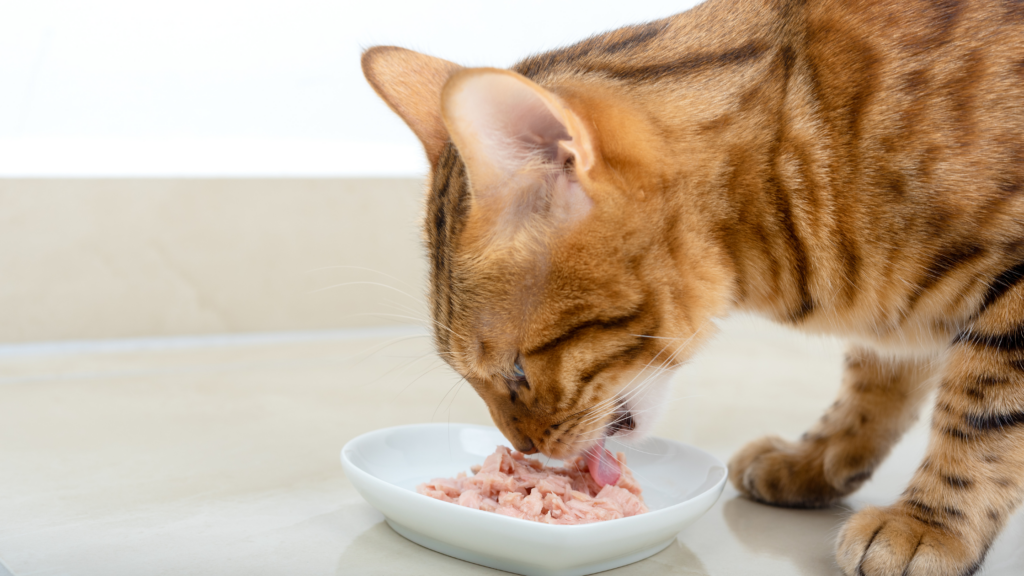
Yes, cats can eat tuna, and most of them are absolutely obsessed with it. That distinctive smell and rich flavor is basically catnip in food form. But while tuna is safe for cats in small amounts, there are some important things to know before making it a regular part of your cat’s diet.
Here’s the full breakdown on tuna for cats, including what kind is safest, how much to serve, and a simple homemade tuna cat treat recipe your feline will love.
Is Tuna Safe for Cats?
Tuna is safe for cats in moderation. It’s a good source of protein and omega-3 fatty acids, and it’s highly digestible. The reason cats go so wild for it comes down to the strong smell and the high protein content, which appeals to their carnivore instincts.
The concern with tuna isn’t toxicity. It’s overconsumption. Tuna alone is not a nutritionally complete food for cats, and feeding too much of it too often can lead to some real health problems over time. Think of it as a treat or a topper, not a meal replacement.
Nutritional Benefits of Tuna for Cats
When served in appropriate amounts, tuna offers some genuine nutritional value for cats:
- High-quality protein. Cats are obligate carnivores and need plenty of animal protein to thrive. Tuna delivers.
- Omega-3 fatty acids. Support healthy skin, a shiny coat, and reduced inflammation.
- Vitamin B12. Supports nervous system health and energy metabolism.
- Selenium. An antioxidant mineral that supports immune function.
- Niacin (Vitamin B3). Essential for cats, who cannot produce it on their own and must get it through food.
Risks and Things to Watch Out For
Here’s where it gets important. Tuna has a few drawbacks that cat owners should know about:
Mercury content Tuna is a larger fish that sits higher on the food chain, which means it accumulates more mercury than smaller fish like sardines or anchovies. Too much mercury over time can lead to mercury poisoning in cats, which affects the nervous system. This is the biggest reason to keep tuna as an occasional treat.
Nutritional imbalance Tuna alone doesn’t contain everything a cat needs. It’s low in vitamin E and taurine (an essential amino acid for cats), and it lacks the calcium and other nutrients cats need for long-term health. A tuna-only diet would eventually lead to serious deficiencies.
Addiction This one sounds funny but it’s real. Cats can become so fixated on the taste of tuna that they refuse to eat anything else. This is sometimes called “tuna addiction,” and it can make it very difficult to transition a cat back to a balanced diet. Keep tuna as a special treat to avoid this.
Canned tuna in brine or oil If you’re reaching for canned tuna, always choose tuna packed in water with no added salt. Tuna in brine is too high in sodium for cats, and tuna in oil adds unnecessary fat. Plain, water-packed tuna is the safest choice.
Raw tuna Raw fish contains an enzyme called thiaminase, which breaks down thiamine (Vitamin B1) in cats. Regular consumption of raw fish can lead to a thiamine deficiency, which causes serious neurological problems. Cooked or canned tuna is always the better option.
How Much Tuna Can a Cat Eat?
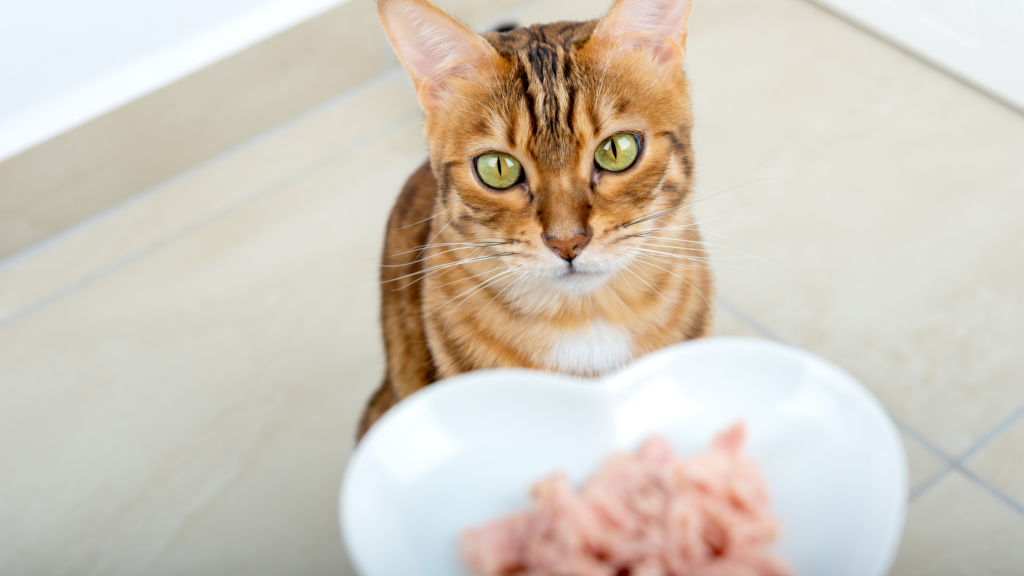
Tuna should make up no more than 10% of your cat’s daily caloric intake. In practical terms, that means a small amount a few times a week at most.
| Cat Size | Suggested Amount | Frequency |
|---|---|---|
| Small (under 8 lbs) | 1 tablespoon | 2-3 times per week max |
| Average (8-12 lbs) | 1-2 tablespoons | 2-3 times per week max |
| Large (12+ lbs) | 2 tablespoons | 2-3 times per week max |
When in doubt, less is more. Tuna is a treat, and treating it like one will keep your cat healthy and interested in their regular food.
What Kind of Tuna Is Best for Cats?
Not all tuna is created equal. Here’s a quick guide:
- Best choice: Canned tuna in water, no added salt
- Fine occasionally: Fresh cooked tuna, plain with no seasoning
- Avoid: Tuna in brine, tuna in oil, tuna with added flavors or seasonings
- Never: Raw tuna, tuna with onion or garlic, any tuna dish made for humans with added ingredients
If you’re buying canned tuna specifically for your cat, skipjack tuna tends to be lower in mercury than albacore, making it the safer long-term choice.
Simple Tuna Cat Treat Recipe
These three-ingredient tuna bites are quick to make, freeze well, and make a great high-value reward for training or just spoiling your cat a little.
Ingredients:
- 1 can (5 oz) tuna in water, drained (no added salt)
- 1 egg, beaten
- ¼ cup whole wheat flour or oat flour
Instructions:
- Preheat your oven to 350°F and line a baking sheet with parchment paper.
- Mash the drained tuna in a bowl until smooth.
- Add the beaten egg and flour, and mix until a soft dough forms. If the dough is too sticky, add a little more flour.
- Roll the dough into small pea-sized balls and place them on the baking sheet.
- Bake for 12-15 minutes, until firm and lightly golden.
- Let them cool completely before serving.
Storage: Store in an airtight container in the fridge for up to 5 days, or freeze for up to 1 month.
Your cat will smell these the moment they come out of the oven. Fair warning!
Frequently Asked Questions
Can cats eat tuna every day? It’s best not to feed tuna every day. The mercury content and nutritional imbalance that comes with regular tuna consumption can cause health issues over time. A few times a week in small amounts is a much safer approach.
Can kittens eat tuna? Kittens can have a tiny taste of tuna, but it’s better to hold off until they’re a bit older and fully weaned. Kittens have very specific nutritional needs for healthy development, and tuna doesn’t come close to meeting them. Stick to a high-quality kitten food as their main diet, and save the tuna treats for when they’re adults.
Is canned tuna or fresh tuna better for cats? Both are fine as long as they’re plain and cooked. Canned tuna in water with no added salt is the most convenient option and perfectly safe. Fresh tuna should always be cooked before serving, never raw, to avoid the thiaminase issue mentioned above.
My cat only wants to eat tuna and is refusing other food. What do I do? This is tuna addiction, and it’s more common than you’d think. The best approach is to gradually reintroduce their regular food by mixing a tiny amount of tuna into it, then slowly reducing the tuna ratio over time. Be patient, it can take a few weeks. If your cat is refusing food entirely, check in with your vet.
Can cats eat tuna in sunflower oil or olive oil? It’s best to avoid tuna packed in any kind of oil. While a small amount of olive oil or sunflower oil isn’t toxic to cats, the extra fat isn’t necessary and can upset their stomach. Always stick to tuna packed in plain water.
⚠️ Always consult your veterinarian before introducing new foods to your cat’s diet, especially if your cat has existing health conditions, kidney disease, or dietary restrictions. Cats with kidney issues in particular should limit their intake of high-phosphorus foods like fish.